Yes-Friends

Author name: admin

Uncategorized

Mbappe’s adaptation period over, Real Madrid boss says

Carlo Ancelotti warned Real Madrid’s La Liga rivals Saturday that superstar striker Kylian Mbappe’s adaptation period is now complete. The French forward has performed inconsistently in the Spanish capital following his summer move from Paris Saint-Germain, but has still shown flashes of the magic which mark him out as one of the best players in the world. Mbappe, 26, has 13 goals in 23 games for Real Madrid across all competitions, and Ancelotti expects many more to follow. Source link

Uncategorized

Shibousai Kitagawa: Creative Chinese in the home of Matsusaka wagyu

Matsusaka, Mie Pref – Matsusaka is not famous as a tourist destination. For most travelers, this city 100 kilometers south of Nagoya is just a way station en route to the sacred shrines of Ise or the rugged, scenic coastline of the Shima Peninsula. Even so, Matsusaka’s name enjoys widespread recognition across Japan, especially among connoisseurs of high-end beef. The premium wagyu produced in this corner of Mie Prefecture is rated every bit as highly as the better-known meat from Kobe. Needless to say, shabu-shabu hot pot and other beef dishes remain the primary draw for those who do stop to eat in Matsusaka. But in recent years, another name has been reinforcing the city’s place on Japan’s dining map: Shibousai Kitagawa, a one-of-a-kind restaurant on the edge of town that offers a very distinctive take on Chinese cuisine. Source link

Uncategorized

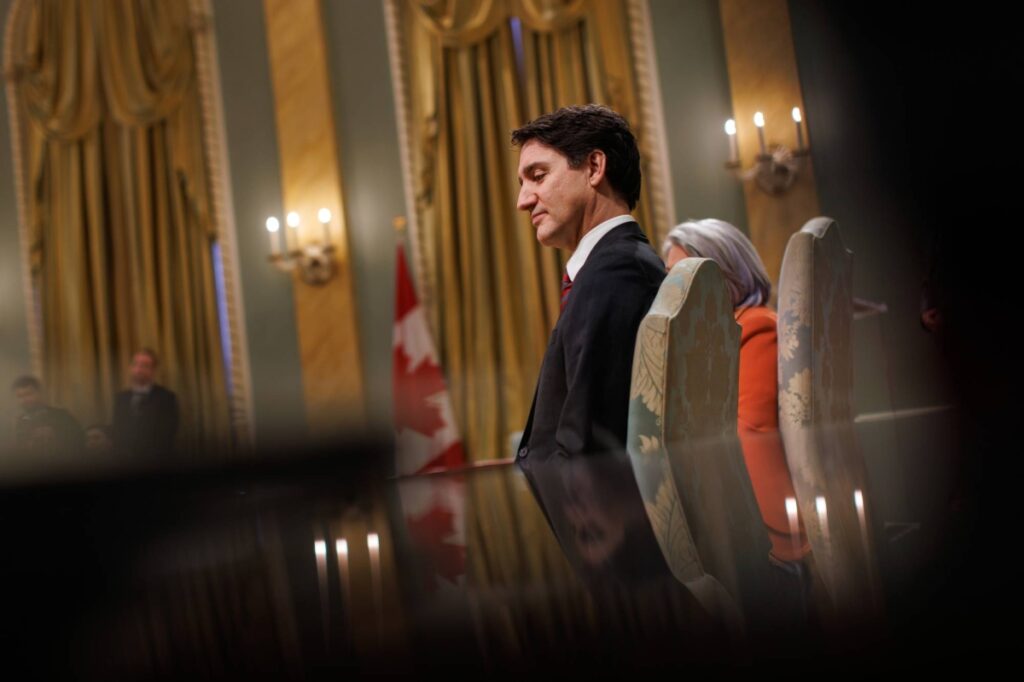
Trudeau does major Cabinet reshuffle amid party pressure and Trump taunts

Ottawa – Canadian Prime Minister Justin Trudeau on Friday shook up his Cabinet, changing one-third of his team as political turmoil threatens his leadership and tensions erupt with incoming U.S. President Donald Trump. The reshuffle came at the end of a chaotic week in Ottawa spurred by the surprise resignation of Deputy Prime Minister Chrystia Freeland, who clashed with her boss over Trump’s threats to impose sweeping tariffs on Canadian imports. Her exit, after nearly a decade at Trudeau’s side, marked the first open dissent against the prime minister from within his Cabinet and has emboldened critics. Source link

Uncategorized

Clashes between Taiwan lawmakers and legal changes test President Lai

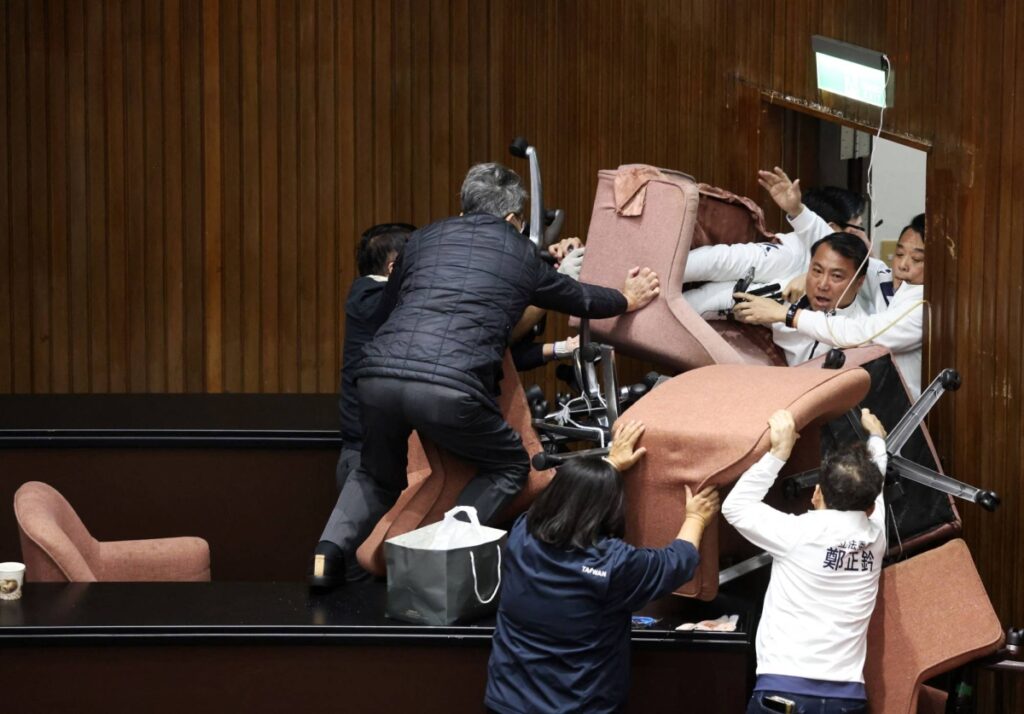
A new wave of political wrangling between Taiwan’s ruling and opposition parties that has involved street protests and lawmakers tussling adds to questions about President Lai Ching-te’s ability to govern one of the world’s most dangerous geopolitical hot spots. On Friday morning, members of the ruling Democratic Progressive Party piled desks, chairs and other furniture to block the entrance to the legislature, while Kuomintang legislators pushed and shoved to get past them. Two lawmakers threw water bottles at each other. But by mid-evening, opposition parties had pushed through two of three key amendments, including a law that could effectively make it more difficult for the Constitutional Court, which doesn’t currently have a full bench of judges, to strike down legislation. Source link

Uncategorized

Ukraine collects vast war data trove to train AI models

Kyiv – As the future of warfare pivots toward artificial intelligence, Ukraine is sitting on a valuable resource: millions of hours of footage from drones which can be used to train AI models to make decisions on the battlefield. AI has been deployed by both sides on the battlefield during Russia’s invasion of Ukraine to identify targets, scanning images far quicker than a human can. Oleksandr Dmitriev, founder of OCHI, a nonprofit Ukrainian digital system which centralizes and analyses video feeds from over 15,000 drone crews working on the front lines, said his system had collected 2 million hours, or 228 years, of battlefield video from drones since 2022. Source link

Uncategorized

Luigi Mangione’s 15-day path from New York to Altoona McDonald’s

Stepping out of the Port Authority bus terminal late in the evening on Nov. 24, authorities say, Luigi Mangione took a taxi to the New York Hilton Midtown, where UnitedHealth Group planned its annual investor conference 10 days later. Mangione then spent about an hour walking in the area of the sprawling hotel, which has entrances on both 6th Avenue and 54th Street, scoping out the site that was scheduled to host company executives, including insurance chief Brian Thompson. It was a dark journey for the 26-year-old that would take him from Ivy League graduate to alleged killer this week as New York and U.S. authorities separately charged him with murder. Source link

Uncategorized

Japan ready to improve working conditions for SDF members

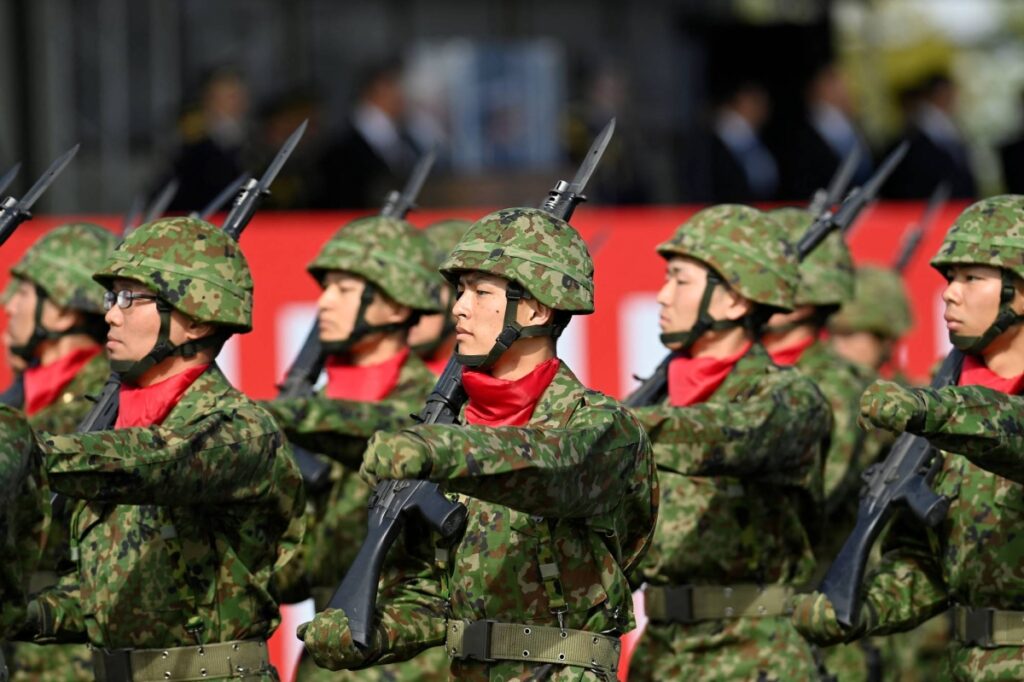
As recruitment lags, the government has compiled a basic plan on improving working conditions for Self-Defense Force members, centered around upgrading the pay structure, boosting career-building support and raising the retirement age. The move Friday is aimed at “stably securing excellent SDF personnel to truly achieve a drastic strengthening of defense capabilities” amid a chronic lack of applicants at a time when the security environment for the country is worsening, according to the plan. Improving working conditions for the members “is a serious challenge” for his administration, Prime Minister Shigeru Ishiba told a meeting of relevant Cabinet ministers. The meeting was held in order to adopt the plan. Source link

Uncategorized

Ghosn says Honda deal talks indicate Nissan in ‘panic mode’

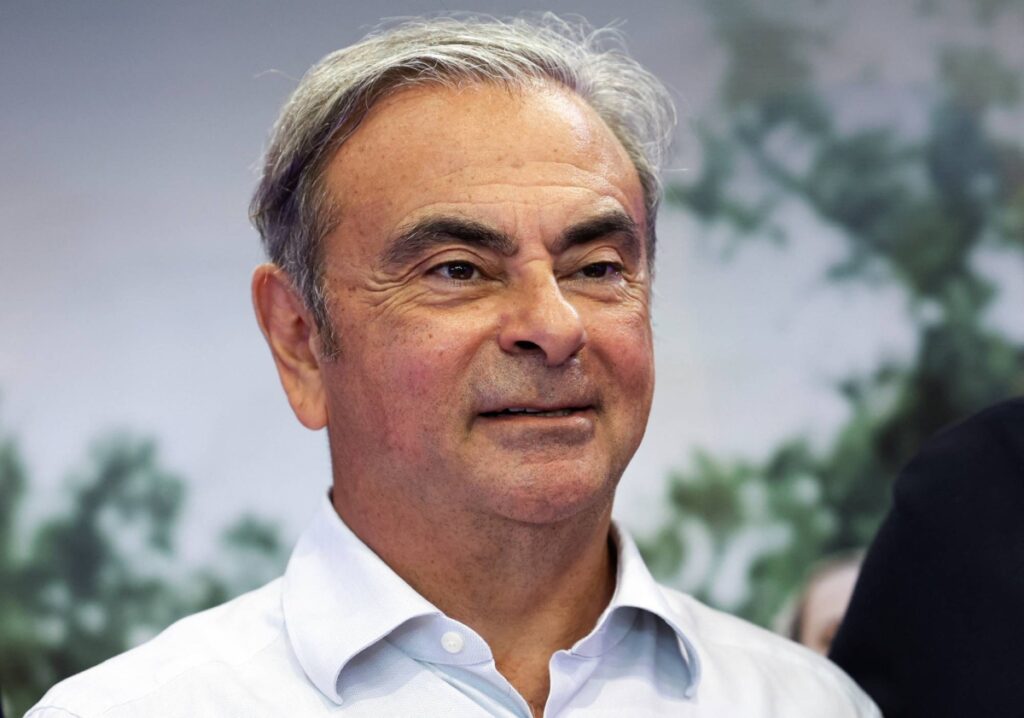
Nissan pursuing a deal with Honda indicates the former is in “panic mode,” according to Carlos Ghosn, the ex-chairman of the struggling Yokohama-based automaker. “It’s a desperate move,” Ghosn said Friday on Bloomberg Television. “It’s not a pragmatic deal because frankly, the synergies between the two companies are difficult to find.” Honda confirmed this week it’s considering several options including a merger, capital tie-up or the establishment of a holding company with Nissan. While Hon Hai Precision Industry also has shown interest in Nissan, the Taiwan-based manufacturer of iPhones known as Foxconn is putting its pursuit on hold, according to a report Friday. Source link

Uncategorized

The mighty Mekong River’s growing plastic problem

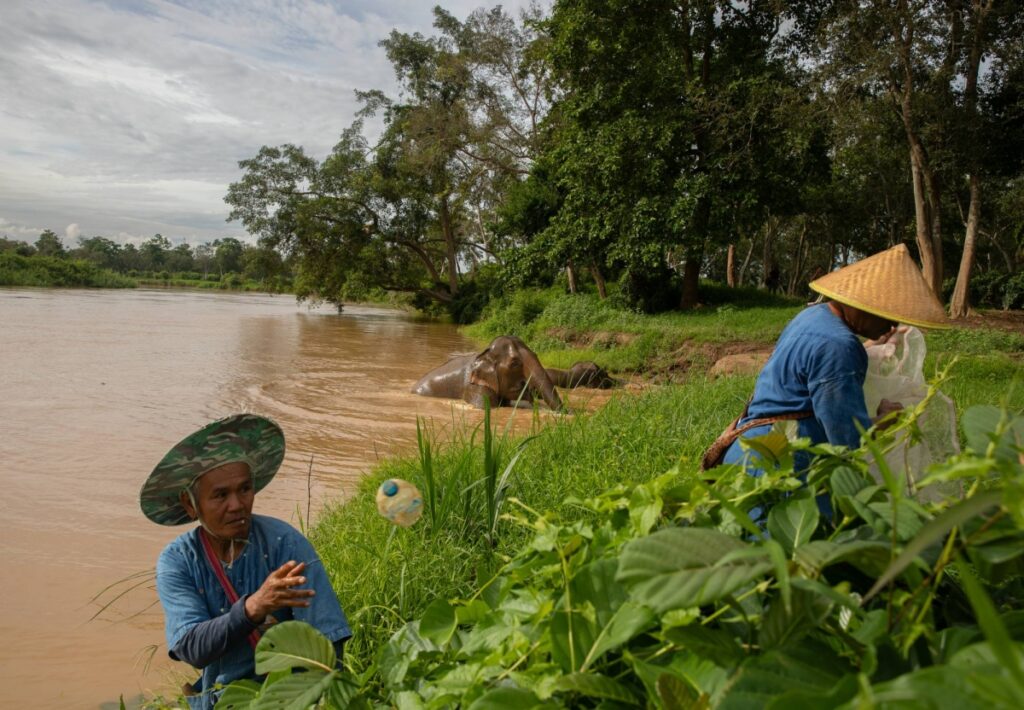
CAN THO, VIETNAM – The pond’s flawless surface shatters as dozens of snakehead fish leap up to claim their lunch. “I taught them how to do that,” Le Trung Tin says proudly, tossing another handful of fish feed. As he winds his way along narrow paths on Son Island, Le Trung Tin explains how plastic pollution forced him to shift from fishing in Vietnam’s Mekong Delta to fish farming in filtered ponds. “I built this ecological environment free of plastic waste, chemical spills and (protected from) extreme weather,” he says, noting a reduction in fish deaths and increased profits compared with his previous fishing ventures in plastic-choked waters. “Living in harmony with nature is essential for fish farming, but it’s becoming harder in the delta.” Flowing more than 4,300 kilometers from the Tibetan Plateau in China, through mainland Southeast Asia and then into Vietnam’s Mekong Delta before finally emptying into the South China Sea, the Mekong River is among the top 10 waterways in Asia most responsible for riverine plastic waste reaching the world’s oceans. The proposed United Nations-led Global Plastic Treaty debated in South Korea earlier this month was hoped to offer some relief. But disagreements over plastic production and chemical use left the supposed landmark treaty far from consensus. Now, world leaders are planning a sixth, and again supposedly final, negotiations conference next year. Regardless of if the treaty gets signed in 2025, it may still be years before tangible solutions reach Mekong countries, like Cambodia, Vietnam and Thailand. Upstream from Le Trung Tin’s fish farm in Cambodia, a nationwide anti-plastic campaign has kicked off with fervor, but tangible policy changes are yet to emerge. Further upstream in Thailand, the government has announced plans to ban the import of foreign plastic waste next year. What this will mean for countries like Japan — which has in recent years exported about 50,000 metric tons of plastic waste to the country annually — is uncertain. Environmental activists and academics blame waste imports, combined with a lack of proper waste management, for a rise in plastic leakage into the Mekong. Plastic pollution is a major threat to the nations sharing the lower basin — Myanmar, Laos, Thailand, Cambodia and Vietnam — not least because tens of millions of people across those countries rely on the Mekong for their livelihoods, as the river is key for access to food, water and trade. Plastic threatens the endangered and migratory species that rely on a free-flowing river, while the aquaculture industries across these nations feel the weight of the plastic crisis in their nets and hauls. In addition, the consumption of microplastics and the subsequent impact on human health is a growing concern. “We’re addicted to plastics, now more than ever,” says Panate Manomaivibool, an assistant professor at Thailand’s Burapha University who has studied plastic waste in the Mekong’s transboundary regions. “Compared to the scale of the problem, attempts to fix it are tiny.” Four plastic waste hotspots along the Mekong’s lower basin — Chiang Saen in Thailand, Phnom Penh and Tonle Sap lake in Cambodia and Can Tho in Vietnam — illustrate the efforts to address plastic pollution and the ways plastic is changing the lives of river communities dependent on these waters. Boonrat Chaikeaw hauls in a net full of trash as he fishes in the Mekong River by Chiang Khong on the border of Thailand and Laos. | Anton L. Delgado Thailand: The gateway to the lower basin Clumps of trash stream down the Ruak River, a tributary of the Mekong, as a herd of rescued Asian elephants watches their mahouts (keepers) pick up the plastic waste. “The trash is mixed — plastic bags, bottles, food wrappers — the smell of food can tempt the elephants,” says Poonyawee Srisantear, an elephant camp manager in Chiang Saen. “When they play with the plastic, they sometimes try to eat it, which can harm their health.” Despite Poonyawee’s cleanup efforts, waste continues to flow down the Ruak, reaching the Mekong River less than a kilometer away from the elephants in the Golden Triangle region encompassing parts of Thailand, Myanmar and Laos. “It feels like it never ends,” she says. While at Burapha University, Panate led a field study in the Golden Triangle to better understand the source of this trash. Over the course of a year, Panate’s team collected 2,650 large waste samples from the sections of the Ruak, Kok and Ing rivers that merge with the Mekong. Their research determined that 91% of the waste was plastic, with labels indicating around 30% originated in Myanmar and nearly 20% in China, underscoring the international nature of the challenge. Panate says he tries “to be optimistic that we are not yet at the irreversible turning point,” but he fears the region’s addiction to plastic will be hard to break. “We are the first generation facing this problem on this scale. Our ancestors, even our parents, were never exposed to this level of plastic pollution,” says Panate. “Without an alternative, our countries will always choose to use the cheapest, easiest option. For now, that remains plastic.” Saksan Chuamuangpan, director of Chiang Saen’s Public Health Department, says that population growth and the subsequent rise in plastic use has dramatically increased the city’s waste production over the past two decades. By one of Chiang Saen’s border ports across the Mekong from Laos, Saksan watches his team attempt to remove rubbish trapped at the port. Over the course of an hour, they barely make a dent. “The more people there are, the more the city develops, the more the economy develops, the more the use of plastic increases,” he says. “All the countries that share the Mekong River must share the responsibility.” A trash bag drifts down the Ruak River, a tributary of the Mekong River, past a herd of rescued Asian elephants in Chiang Saen, near the Golden Triangle region between Thailand, Myanmar and Laos. | Anton L. Delgado While just a glance at the Mekong indicates


Uncategorized

Economists see BOJ’s policy review as insufficient

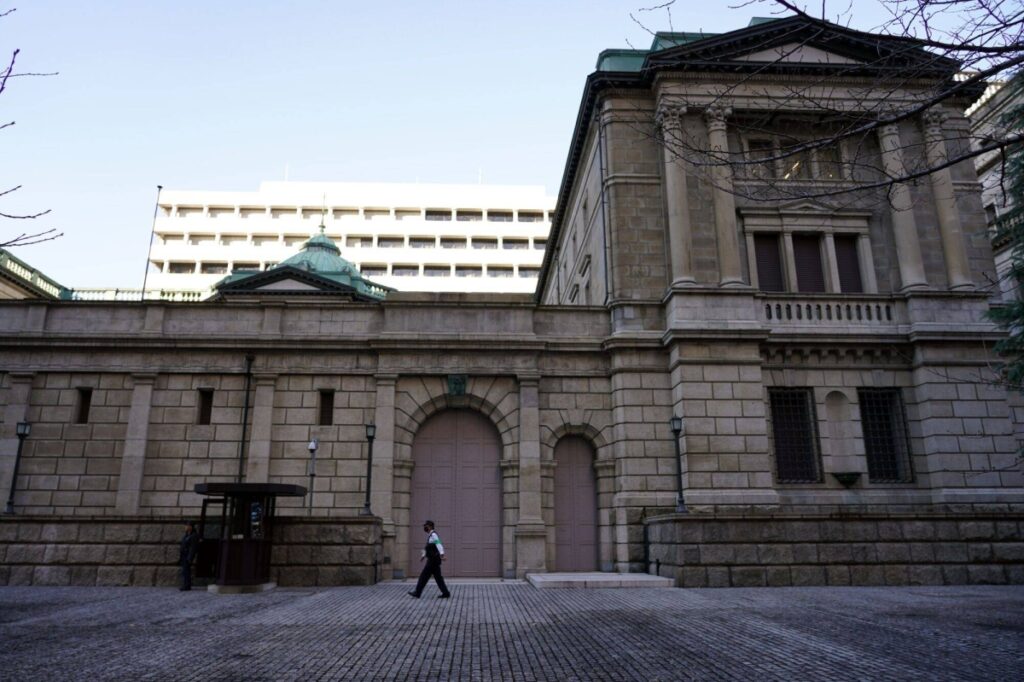
The Bank of Japan has failed to adequately analyze the side effects of its massive easing campaign in its comprehensive review of monetary policy over the past 25 years that was published Friday, economists said. “The overall effect on the Japanese economy so far appears to have been positive,” the central bank said in its report on the review. But the massive easing policy, introduced in April 2013, has caused adverse effects, such as a loosening of fiscal discipline and a delay in restructuring industries that slowed economic growth, economists said. Source link

Scroll to Top