Yes-Friends

Author name: admin

Uncategorized

China’s surging power demand creates a climate conundrum

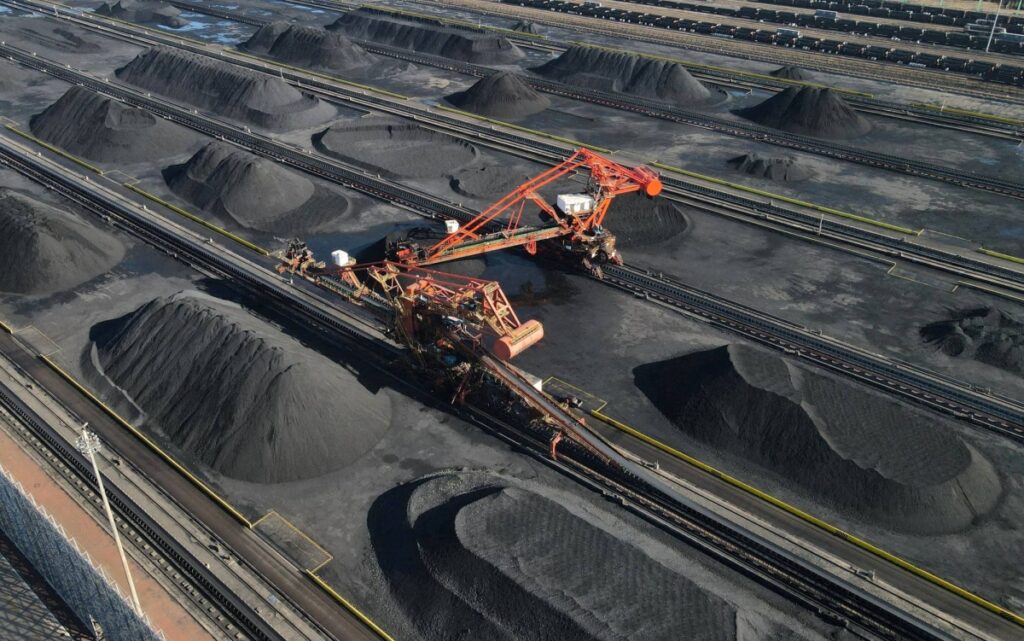
China’s electricity demand is becoming a key focal point in the global fight against climate change. As the world’s largest polluter, China holds outsized sway over whether emissions can be reduced fast enough to avoid the worst impacts of global warming. The country’s breakneck adoption of clean energy technology has created hope that it will peak and start reducing greenhouse gases far earlier than its stated goal of 2030. But that hasn’t happened so far, in large part because the nation’s energy demand is growing unprecedentedly fast, requiring ever more coal to be burned. Electricity use grew 6.8% last year, outpacing overall economic growth at the highest clip in at least 15 years. And as China faces a slowing economy and trade tensions that are likely to be exacerbated by new U.S. President Donald Trump, the future of power demand growth remains a huge question mark in China’s efforts to decarbonize. “Energy demand and power demand are the number one swing factors for emissions,” said Lauri Myllyvirta, lead analyst for the Center for Research on Energy and Clean Air. “There’s certainly a lot more room for different pathways on the demand side, depending on Trump and everything else that happens in international trade.” Power and growth have long been linked in China. Former Premier Li Keqiang once said electricity usage, rail freight and bank lending provided a more accurate reflection of the economy than reported gross domestic product figures. Increasing efficiency by reducing the amount of energy needed to produce goods has long been a metric the government uses to grade itself. But that relationship has reversed in recent years as Beijing leaned on manufacturing to lead an economic rebound following the end of the COVID-19 pandemic. Electricity use rose faster than nominal GDP growth in three of the past five years, after trailing it for the entire previous decade. The China Electricity Council, the power industry’s top lobbying body, expects consumption to grow 6% in 2025. Growing power demand is stymieing efforts to decarbonize the power sector, which accounts for nearly half of the country’s greenhouse gas emissions. Even after record additions of wind turbines and solar panels, clean power generation wasn’t enough to meet all the increased demand last year, forcing thermal power plants to burn more coal and generate about 1.5% more power than in 2023. The biggest driver of this elevated power demand has been the industrial sector, accounting for about two-thirds of China’s electricity use. Even as a real estate collapse dragged down steel and cement output, production of materials like copper, aluminum and petrochemicals hit record highs last year using increasing amounts of energy. President Xi Jinping’s push for “new quality productive forces” also meant more energy was needed to produce goods like biopharmaceuticals, airplanes, solar panels and EVs, along with the machinery and factories needed to make them, according to the China Electricity Council. All that is “making the economy more electricity intensive,” said Muyi Yang, senior China analyst for climate and energy research group Ember. Other factors are also contributing to power demand growth. The economy has steadily electrified in recent decades, replacing smaller coal furnaces that powered factories and heated homes with electricity or cleaner-burning gas. That’s now happening in the transportation sector too, where sales of electric vehicles are booming. Demand to charge EVs jumped 38% last year and now accounts for about 1.1% of all power consumption, according to National Energy Administration data. While EV charging might put more stress on the power system, it’s still a “net climate win” because electric motors are more efficient than those powered by gasoline or diesel ones, said Cosimo Ries, an energy analyst with consultancy Trivium China. China National Petroleum recently said it now expects oil demand to peak this year, half a decade ahead of its previous forecast. Artificial intelligence is also taking a toll. Data centers are expected to account for 5% of total power consumption by 2030 from about 1.6% in 2023, according to Goldman Sachs Group analysts including Jacqueline Du. Then there are heat waves that have battered China each of the past three years, driving sales of air conditioners and reshaping demand curves to make summer peaks more pronounced. “A lot of it is definitely from external shocks that we’ve seen, especially with the summer heat waves,” Ries said. There are signs that China’s manufacturing boom might be slowing, with industrial power demand growth dropping back down to historic levels in the last few months of 2024, CREA’s Myllyvirta said. Still, with the government set to unveil fiscal stimulus measures later this year and potentially having to respond to increased tariffs from the U.S., uncertainties over the path of the economy, and the country’s decarbonization journey, abound. Source link
Uncategorized

Japan’s central bank drops the drama and wins on rates

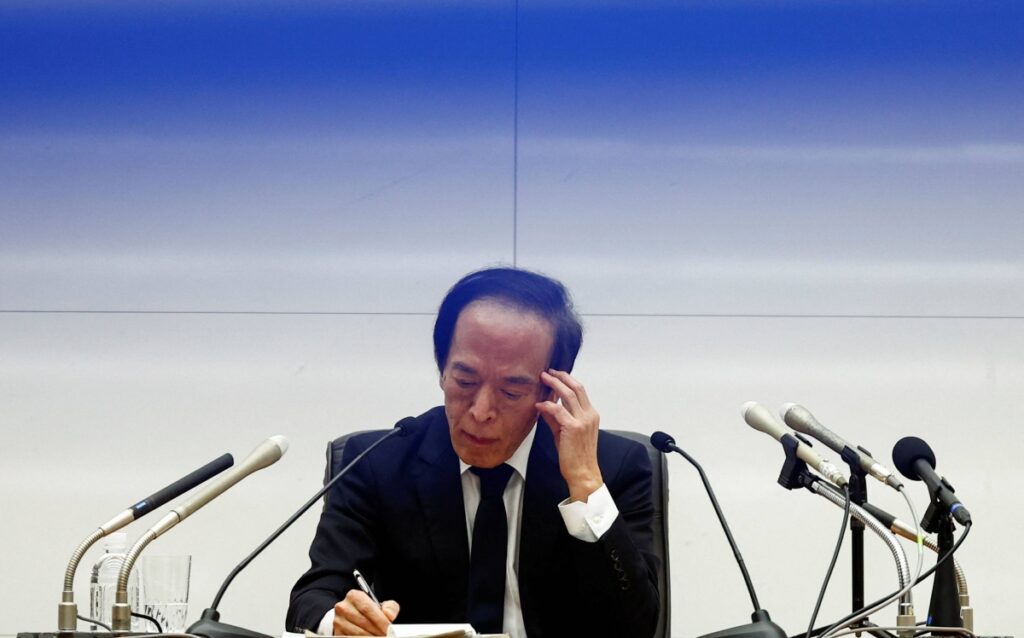
Kazuo Ueda appears to have made a new year’s resolution to avoid shocks — and the self-inflicted wounds that come with them. After blindsiding investors in July, the Bank of Japan governor needed Friday’s interest-rate hike to be boring. By that yardstick, he’s notched a win. The quarter-point increase, which took the main rate to 0.5%, was probably the most telegraphed this century. The past few weeks have been cluttered with hints, in speeches and leaks, that a tightening was imminent, baring a sudden decision from U.S. President Donald Trump that targeted Japan. Even the government, in a weakened position after a setback at the last election, signed off. The contrast with six months ago, when the bank raised unexpectedly and made hawkish noises, couldn’t have been greater. Source link

Uncategorized

U.S.-bound refugees in Hong Kong despair as Trump halts arrivals

Hong Kong – After 13 years in Hong Kong as a refugee, John received plane tickets that would grant his family new lives in the United States — only for them to be snatched away with a stroke of the pen by President Donald Trump. Trump’s executive order to suspend all refugee admissions and halt the U.S. asylum program, signed hours after taking office, has left adrift dozens in the Chinese city approved for U.S. resettlement. John’s scheduled flight to Los Angeles barely missed the Monday Jan. 27 deadline — had he been allowed to board, the executive order would have taken effect while he was in the air. Source link

Uncategorized

How Japan is looking deep underground to solve its carbon problem

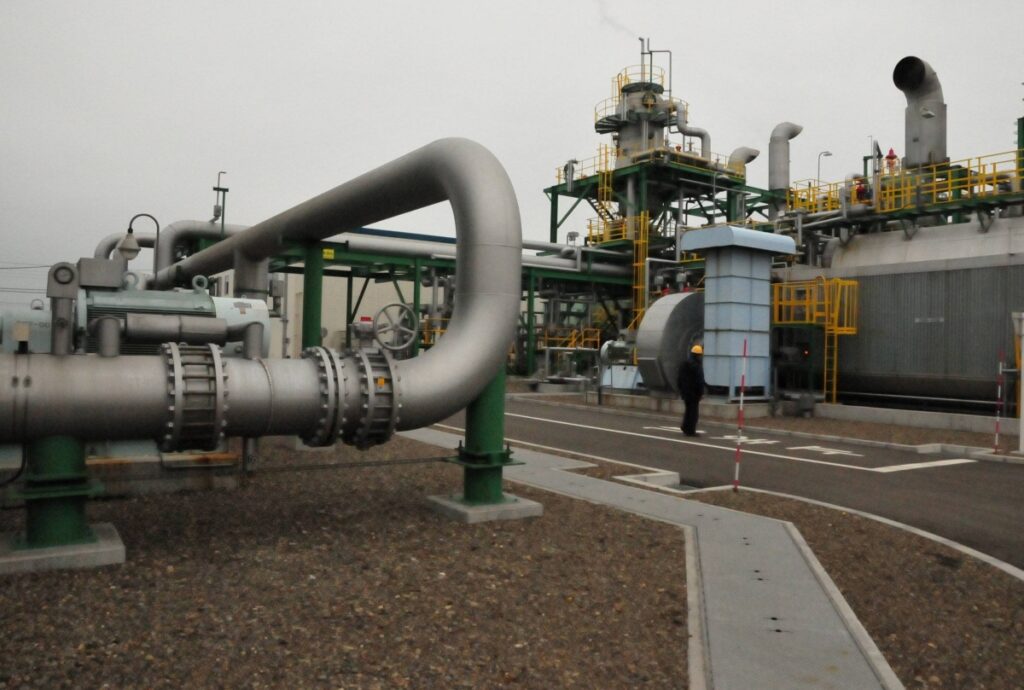
Home to numerous factories, refineries and thermal power plants, Chiba bears the dubious distinction of emitting the most carbon dioxide out of Japan’s 47 prefectures. One possible solution as the country pushes toward its carbon neutrality goal? A long pipeline stretching across the prefecture, which would transport captured CO2 so it can be buried offshore 1,000 to 3,000 meters below the seabed. That’s the vision of a public-private initiative that aims to capture 2% of the prefecture’s emissions, based on 2021 levels, by 2030 — and potentially more in the future. The Chiba project is just one of nine “advanced” carbon capture and storage (CCS) projects that the government-owned Japan Organization for Metals and Energy Security (JOGMEC) selected in July 2024 in order to evaluate the feasibility of CCS in Japan’s energy transition, all with an eye to commercialization by 2030. If given the go-ahead through a final investment decision planned for the fiscal year beginning April 2026, five of the projects will store captured CO2 domestically, with the remaining four sending it overseas. The government and industry hope CCS will allow CO2-generating activities that are seen as economically vital to continue operating — at least to some extent as they have done — even as the country works to achieve net-zero emissions by 2050. And the government is investing billions of yen to get CCS off the ground: In fiscal 2023 and 2024, the total budgets for JOGMEC’s advanced CCS projects were ¥23.9 billion (roughly $152 million at current exchange rates) and ¥33.2 billion, respectively. But the technology isn’t without controversy. Some critics — citing high costs and lingering uncertainties — say CCS should only play a minimal, niche role in the energy transition. In particular, CCS should not be used as a lifeline for the fossil fuels driving climate change, they argue. “If it doesn’t work out, it will have an enormous impact on whether Japan can meet its emission reduction targets,” cautions Ayumi Fukakusa, deputy executive director of the nonprofit Friends of the Earth (FOE) Japan. Major expense or major potential? Contrary to its contemporary image as a potential climate solution, capturing carbon and injecting it underground wasn’t actually invented as a countermeasure against warming. In fact, it was pioneered in the 1970s by the oil and gas industry, which sought to repurpose CO2 for a process called “enhanced recovery” in order to boost extraction. Today, 73% of the world’s current carbon capture capacity is used for this purpose, according to the Institute for Energy Economics and Financial Analysis (IEEFA). The Global CCS Institute reports that a total of 50 CCS projects were operating worldwide in 2024, boasting a capture capacity of 51 million metric tons of CO2 — just 5% of the annual 1 billion metric tons of CO2 that should be captured and stored in the International Energy Agency’s “net-zero emissions by 2050 scenario.” Still, the Ministry of Economy, Trade and Industry, which leads Japan’s energy plans, positions CCS as “indispensable for decarbonizing thermal power plants,” and says that it should be “fully utilized” in high-emitting sectors like steel and chemical manufacturing. Pulp factory chimneys in Tomakomai, Hokkaido. The government and industry hope CCS will allow CO2-generating activities that are seen as economically vital to continue operating even as the country works to achieve net-zero emissions by 2050. | Bloomberg According to the government’s CCS roadmap, Japan aims to annually store an estimated 120 million to 240 million tons of CO2 by 2050, the high end of which would require establishing roughly 480 injection wells, at an estimated cost of ¥5 billion or ¥8 billion per well depending on whether it is on or offshore. The five JOGMEC-supported projects that plan to store CO2 off Japan’s coasts are near Hokkaido, western Tohoku, Niigata Prefecture, western Kyushu and Chiba. Most intend to inject the CO2 into saline aquifers — a type of underground rock formation thought to have the largest capacity and greatest safety for CO2 storage — while the Niigata site targets an oil and gas field. The Hokkaido-based project is actually a continuation of an existing CCS initiative, supported by the government’s New Energy and Industrial Technology Development Organization, in the port city of Tomakomai. From 2016 to 2019, the pilot facility — which cost approximately ¥30 billion to construct — captured roughly 300,000 tons of CO2 and injected it about 1,000 meters below the nearby seabed. Operators have been monitoring the site for seepage, an issue that has impacted CCS projects overseas, and seismic activity since then. So far, so good, they say. Naturally, thorough monitoring doesn’t come cheap. At Tomakomai, operators installed expensive equipment on the ocean floor to receive real-time data, explains Hiroshi Nambo, the Global CCS Institute’s Japan branch representative. “Monitoring is important, but … the cost of monitoring should be minimized,” he says. A JOGMEC spokesperson echoes that sentiment, noting that the method, frequency and duration of monitoring across the nine exploratory projects will depend on both regulatory requirements and cost-effectiveness. Monitoring plans — still under consideration — may therefore differ by project and by site, the spokesperson explains. Although Japan’s new CCS Business Act does require monitoring, including after CO2 injection finishes, it does not specify minimum monitoring requirements. Alongside further assessment of potential storage sites, clarifying CCS’s costs is a major goal of the exploratory projects. “The capture technology is ready and emission sources are ready,” Nambo says. “The problem is economics: how the project proponents prepare that investment and how to justify the economics for the total operation period.” In a 2024 report, the Oil and Gas Climate Initiative, an industry-led organization, assessed that Japan has 152.27 gigatons of CO2 storage capacity, but so far none of that has been judged economical to access. “Government financial support is absolutely necessary” at this stage, Nambo says. In a December government estimate of electricity costs in 2040, power generated at CCS-equipped gas and coal power plants was more expensive compared with all renewables (aside from small-scale hydropower

Uncategorized

Hoshoryu overcomes rank-and-file wrestlers to put yokozuna promotion in sight

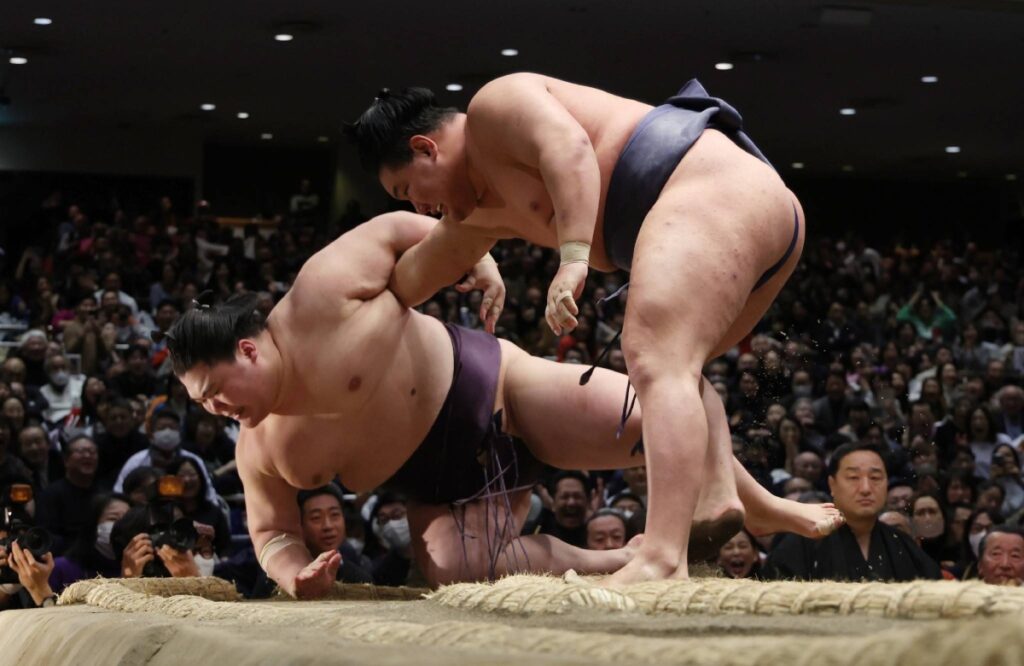
“What year is this?” The final words spoken in the groundbreaking television series “Twin Peaks” — the magnum opus of recently deceased director David Lynch — could easily be applied to the 2025 January Basho. Just when it seemed sumo was about to enter a new era and have at least two yokozuna on the banzuke, with its championship races returning to being the sole preserve of the highest ranks, along came maegashira pair Kinbozan and Oho. Source link

Uncategorized

Belarusians vote in election to extend Lukashenko’s 30-year rule

Minsk – Belarusians voted on Sunday in an election set to hand President Alexander Lukashenko a seventh term, prolonging his three-decade authoritarian rule. Lukashenko — a 70-year-old former collective farm boss — has been in power in reclusive, Moscow-allied Belarus since 1994. Speaking after casting his vote in the capital Minsk, the self-avowed “dictator” dismissed critics of his rule and said he could release political prisoners as long as they asked him for a pardon. Source link

Uncategorized

Clinical Sinner surges past Zverev to retain Australian Open title

Melbourne – A clinical Jannik Sinner swept past Alexander Zverev to retain his Australian Open title on Sunday and cement his status as the world’s dominant player in men’s tennis. The 23-year-old Italian came through a tense final between the two highest-ranked players 6-3, 7-6 (4), 6-3, on Rod Laver Arena, raising his arms in the air and looking to the sky in celebration. In doing so he became the first Italian, man or woman, to win three Grand Slams, surpassing Nicola Pietrangeli. Source link

Uncategorized

Tomin First adviser Hirotada Ototake keen to use social media

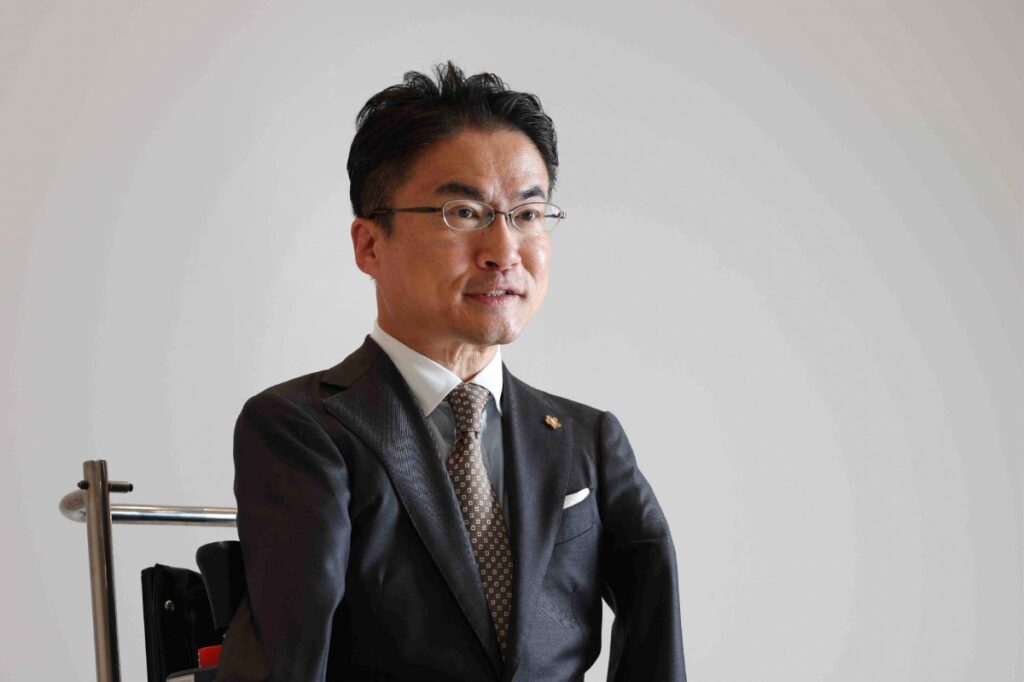
Tomin First no Kai (Tokyoites First) aims to reach undecided voters in this summer’s Tokyo Metropolitan Assembly election using social media, Hirotada Ototake, adviser to the regional political party, said in a recent interview. “Through social media outreach, we want to become an option for unaffiliated voters who have not decided for whom to vote” in the June 22 race, said Ototake, who is in charge of social media strategy for Tomin First. “Tomin First thoroughly checks whether the information it sends out is accurate,” he said, adding that “users also should be aware of the need to check whether information is true.” Source link

Uncategorized

South Korean President Yoon indicted for insurrection, report says

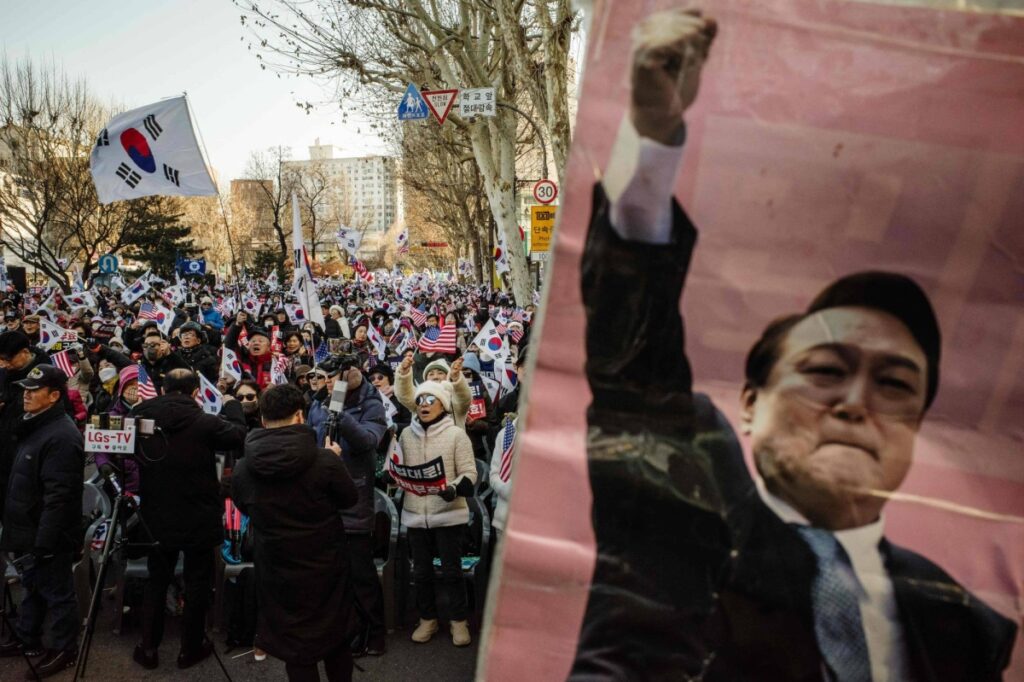
Seoul – South Korea’s prosecutors indicted suspended President Yoon Suk Yeol on Sunday on charges of leading an insurrection with his short-lived imposition of martial law on Dec. 3, the Yonhap news agency reported. The decision came after anti-corruption investigators last week recommended Yoon be formally charged. A Seoul court rejected a second request Saturday to extend Yoon’s detention, putting pressure on prosecutors to quickly indict him. Yoon was arrested earlier this month on insurrection charges, becoming the first sitting South Korean head of state to be detained in a criminal probe. His martial law decree only lasted about six hours before it was voted down by lawmakers, but it still managed to plunge South Korea into its worst political crisis in decades. The Seoul Central District Court on Saturday turned down a request for a detention extension, prosecutors said in a brief statement. This followed a ruling by the same court a day earlier when a judge stated it was “difficult to find sufficient grounds” to grant an extension. Prosecutors had planned to keep the disgraced leader in custody until Feb. 6 for questioning before formally indicting him. Yoon has refused to cooperate with the criminal probe, with his legal defense team arguing investigators lack legal authority. The suspended president is also facing a separate hearing in the Constitutional Court which, if it upholds his impeachment, would officially remove him from office. An election would then have to be held within 60 days. Source link

Uncategorized

Japan customs character goods to go on sale

The Finance Ministry will allow companies to make and sell goods related to Custom-kun, an official mascot character of Japanese customs. The ministry hopes that selling character goods such as stuffed toys and stationery will make customs more familiar to people. Born in 1993, Custom-kun is modeled on drug-sniffing dogs working at customs. He is popular for his rounded figure. Custom-kun goods were once distributed for free at public relations events, but they ended up only in the hands of people who are interested in customs. “If Custom-kun goods are sold at airports and ports as a souvenir, we will be able to increase contact with people we have never been able to approach before,” a ministry official said. The ministry opened an Instagram account for Custom-kun in October, posting photos of stuffed Custom-kun toys enjoying travel and events. “We want people to join the Instagram campaign once stuffed Custom-kun toys go on sale,” the official said. Source link

Scroll to Top