Yes-Friends

Uncategorized

Uncategorized

Japanese look for creative ways to fight soaring food prices

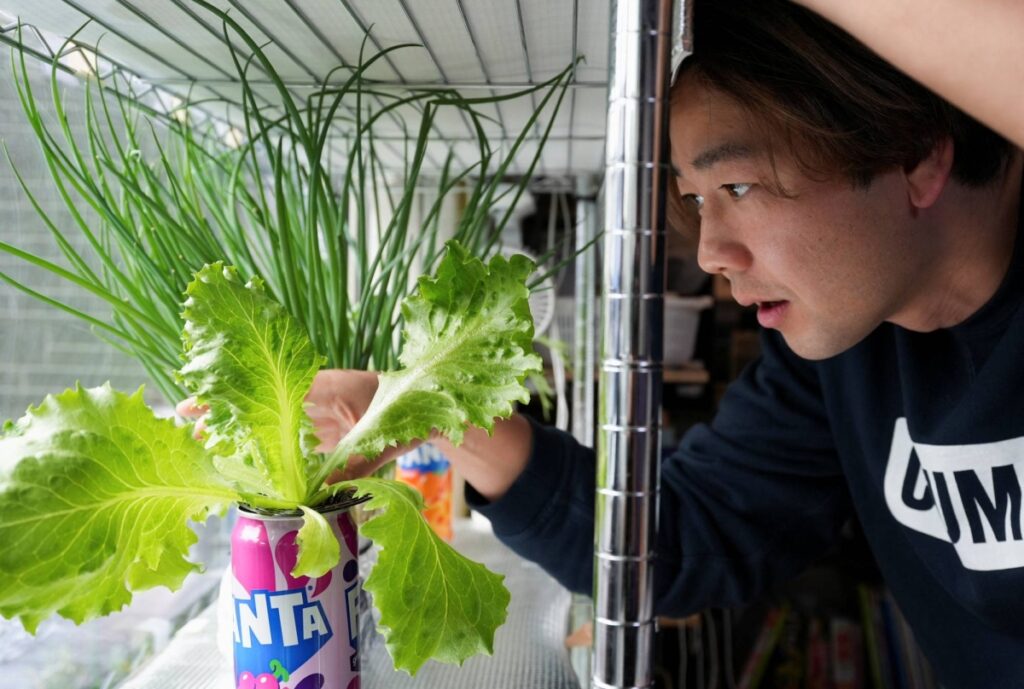
Japanese homemaker Kirina Mochizuki has always considered okonomiyaki savory pancakes the ultimate comfort food: simple, satisfying and cheap. These days, though, it’s a struggle to get the dish, a favorite among Hiroshima natives like herself, on the table. With the price of cabbage — a key ingredient — tripling recently, Mochizuki makes daily trips to the supermarket in search of discounted produce, or resorts to using dried seaweed. “I never imagined that okonomiyaki would become a delicacy,” the mother-of-two said, adding she had also taken to regrowing leek in a glass of water using the usually discarded root base. Source link

Uncategorized

Fuji TV expects ¥23 billion dent in revenue over Nakai scandal

Fuji TV said Thursday that it expects advertising revenue in fiscal 2024 to be ¥23.3 billion ($151.2 million) lower than its previous forecast, after many companies suspended their commercials following a scandal involving former pop star Masahiro Nakai. The broadcaster, projecting its ad revenue to total ¥125.2 billion in the year through March, expects to fall into the red. Its parent, Fuji Media Holdings, revised down its fiscal 2024 consolidated earnings forecasts as a result. The bleak figures were announced after Fuji Television formally decided at its board meeting the same day not to charge advertisers for commercials they have pulled. Source link

Uncategorized

Japan, U.K. and Italy discuss bringing Saudi Arabia into jet project

Japan, the United Kingdom and Italy are in talks about Saudi Arabia’s participation in the joint development of their new sixth-generation fighter jet. On Monday, Italian Prime Minister Giorgia Meloni said Italy is in favor of Saudi Arabia joining the Global Combat Air Program (GCAP), according to the Italian Prime Minister’s Office. Italy, Japan and the U.K. launched the GCAP in December 2022 with a goal of deploying the next-generation fighter by 2035. Meloni became the first of the three nations’ leaders to express official support for Riyadh’s participation in the GCAP. Source link

Uncategorized

Companies race to ship goods to the U.S. ahead of potential tariffs

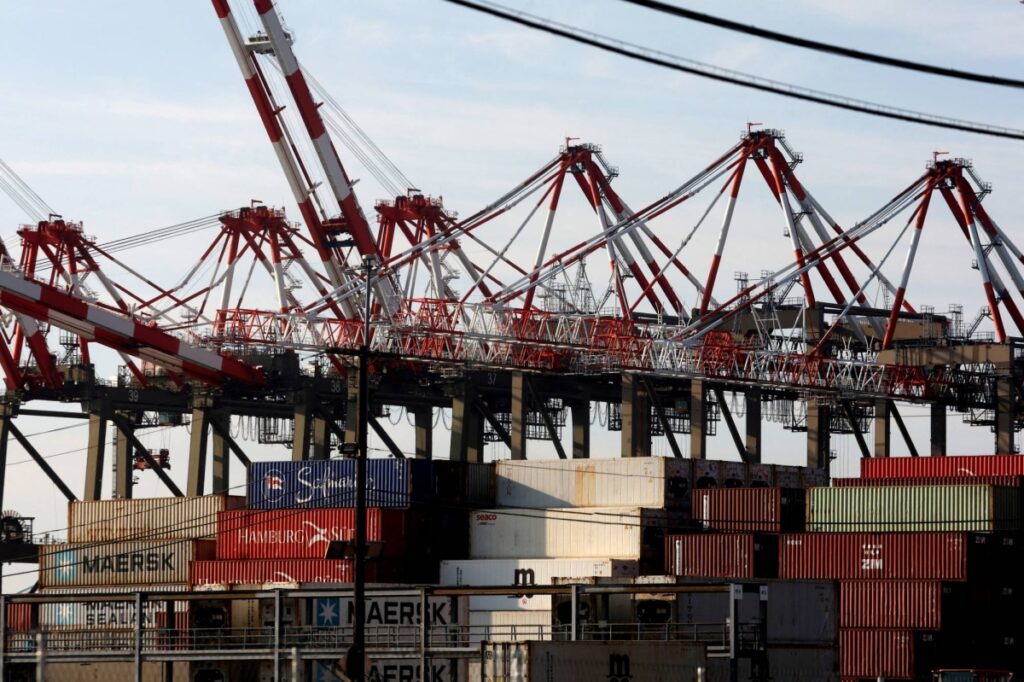
NEW YORK/LONDON – In recent months, plenty of business executives have said they were taking a wait-and-see approach to U.S. President Donald Trump’s broad threats of tariffs. Early holiday-quarter earnings reports show many of them were not. Automakers like General Motors and Mercedes, French cognac makers, and Italian producers of parmesan cheese and sparkling wine have all expedited deliveries to the United States. Commodities buyers, meanwhile, stepped up purchases of steel, aluminum, and soybeans. “We see companies currently front-loading their imports into the U.S.,” said Patrick Lepperhoff, managing director at supply chain consultancy Inverto in Cologne. “They have modeled scenarios on how much they could be hit by tariffs, and decided quite broadly to import the volumes in order to be covered for a certain time.” Executives have described through interviews and on conference calls the challenges of an environment made more uncertain by Trump’s shifting plans for tariffs that could upend world trade and prompt some companies to move production to the United States. Even before he returned to office, uncertainty motivated businesses to rush shipments. The U.S. trade deficit spiked to a record $122 billion in December as goods imports rose 4% and exports dropped 4.5%. PacSun, which sells casual clothing for teens and young adults, is one of many retailers importing goods. CEO Brieane Olson said the privately held company had brought in a portion of its first-quarter sales earlier as part of contingency plans. It also has a “tariff taskforce” that meets twice a week to work with suppliers on the issue. “PacSun has a very proactive plan for what we can do to help our suppliers and vendors best,” Olson said. Trump’s threats have ranged from possible 100% to 200% fees on cars from Mexico to universal tariffs on all imported goods. A test of his resolve will come on Saturday, when the U.S. president has said he plans to introduce duties on imports from neighbors and major trade partners Mexico and Canada. Numerous sectors could be affected. The U.S. imported about $844 billion in goods from Canada and Mexico in 2024, about 28% of all imports, according to U.S. federal data. Efforts to prepare have already given some companies a boost. German chemical company Lanxess said fourth-quarter profits were significantly better than expected due to advance buying by U.S. customers. Italian producers have shipped more Parmigiano Reggiano cheese to the United States, according to the industry’s trade association, which said it hopes to get exemptions for its premium foods. Overall U.S. imports of 20-foot containers surged in November and December to the busiest since 2021. Traders in Tampa and Houston bought steel from South Korea, Japan and Turkey, anticipating tariffs on Trump’s first day in office, said Jose Severin of The Mercury Group, a commodities supply chain consultancy. That left large quantities of steel in warehouses and ports, causing bottlenecks and raising costs. “We could reroute supply from our Canadian smelters to Europe. While it is an advantage to have this optionality, it certainly is not a benefit for our customers and supply chains like them,” Alcoa CEO William Oplinger told investors earlier this month. Assembly line The automotive sector is particularly exposed to Canada and Mexico, where many companies built factories to tap relatively cheap labor close to the lucrative U.S. market following the 1994 North American Free Trade Agreement. GM accelerated shipments from its facilities there in the fourth quarter. “Every delivery that we can make before a tariff is instituted, it’s that much better … than sitting on inventory,” said GM chief financial officer Paul Jacobson. All of Japanese automaker Toyota’s Tacoma model pickups sold in the United States — more than 200,000 units a year — come from Mexico. A person close to the company said before November’s election that tariffs could cause Toyota to shift production to its San Antonio, Texas, assembly plant. Nearly 40% of S&P 500 earnings come from overseas, according to LSEG, whose data shows the sectors with the highest foreign exposure — tech, consumer discretionary goods and industrials — have talked the most about supply chains and reshoring. Collecting dust? Some companies are not advancing orders without certainty over demand. Privately held toy maker MGA Entertainment has not shipped in extra product, according to CEO Isaac Larian, who said he’d voted for Trump. Its key holiday season is over, and storing extra inventory is costly. “The toy business is a fashion business. It changes all the time,” Larian said. “We can’t buy that much inventory in anticipation of duties.” The drinks industry faces something similar, as sales fall across the sector. Some were also burned when they stocked up at the outset of the president’s first term. When Trump threatened tariffs on champagne in 2019, U.S. wine importer Old Bridge Cellars (OBC) spent “a fortune” on a year’s worth of fizz, company president Rob Buono said, only to be left with pricey stock when it was excluded from tariffs. That experience means he would only buy extra now if tariffs were confirmed. OBC cleared the excess inventory during the COVID-19 pandemic, when supply issues meant large champagne producers were regularly unable to meet demand. “We got lucky,” Buono said. Source link

Uncategorized

Addressing dementia through a human-centered approach in Tokyo and beyond

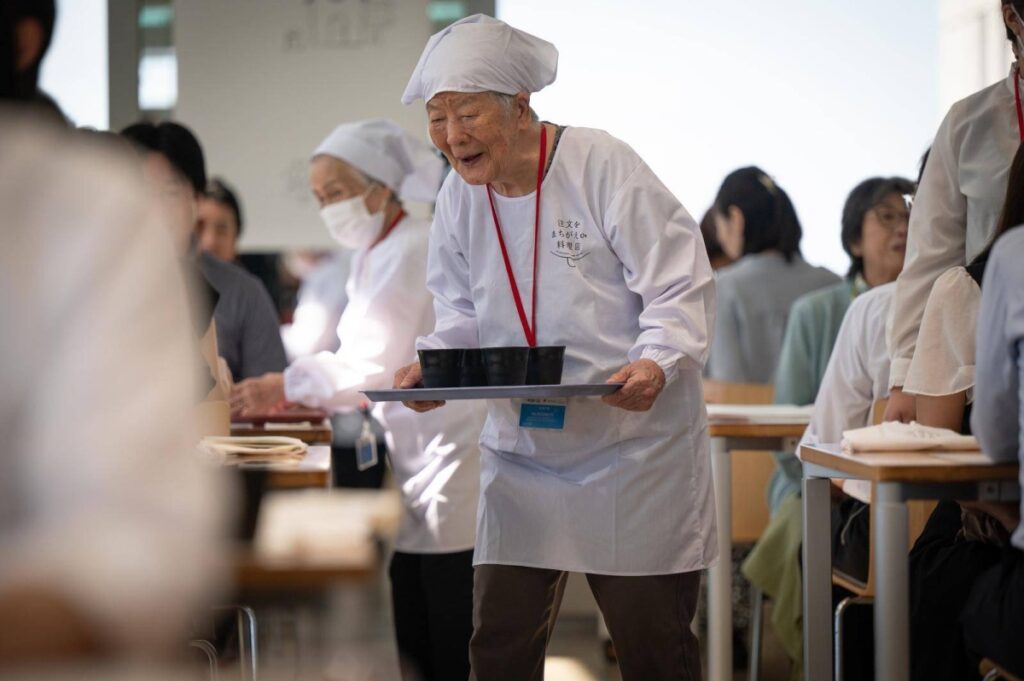
This is a sponsored story, created and edited exclusively by Tokyo Metropolitan Government’s Tokyo Updates website. Among Japan’s challenges as a super-aging society is a rise in cases of dementia, a disease wherein damaged or ill-functioning brain cells result in reduced cognition that can hinder daily life activities. Approximately 15% of Japan’s elderly population (those aged 65 and above) are said to be affected by this condition, with the number of patients in Tokyo alone projected to reach around 540,000 by 2025. Raising awareness for dementia The Tokyo Metropolitan Government (TMG) has taken numerous proactive steps to address the issue of dementia, including the launch of its Tokyo Dementia Navi website, which serves as an informational clearinghouse. The Bureau of Social Welfare further held a Tokyo Dementia Symposium on Sept. 17, 2024, in commemoration of World Alzheimer’s Day on Sept. 21. The day’s program featured discussions held by specialists in the field, as well as lunch served courtesy of the Restaurant of Mistaken Orders, whose team comprises persons living with the condition. Dementia across cultures The symposium’s panel of Japan-based experts was joined by Dr. Katarina Nagga, a professor of geriatric medicine at Sweden’s Linkoping University. A long-time clinical doctor and researcher in the dementia-related field, Nagga is also a founding member of a Swedish program launched in 2010 to address the challenges of BPSD (Behavioral and Psychological Symptoms of Dementia). The team launched a framework to improve patient care and ultimately reduce these symptoms. When people with dementia are unable to communicate their needs, Nagga explained, they may develop symptoms of irritability, anxiety or agitation as a means of self-expression. The BPSD approach implements assessments to identify these needs. One example is that it can be difficult to detect the presence of physical pain if the individual cannot communicate it verbally. In such cases, the program encourages the use of a non-communication-based assessment scale, which can help detect the presence of pain by identifying specific facial expressions or body movements. The BPSD program was subsequently implemented in Japan, and the symposium provided an opportunity for the Swedish and Japanese BPSD research teams to re-touch base with each other’s work. Nagga praised TMG’s efforts to increase information and awareness among citizens about the condition, noting that dementia remains both underdiagnosed and undertreated worldwide. In adapting the Swedish BPSD model for use in Japan, Nagga found that people with dementia in both countries share many common needs. Early detection is crucial, she stressed, because older individuals living alone are less likely to recognize the early symptoms of the disease and seek diagnosis or treatment. In Sweden, many people with severe dementia are admitted to care institutions, while in Japan, home-based care is more common. Nagga strongly supports the development of care programs that help individuals living with dementia receive appropriate care at home. Looking beyond the medical model Dementia treatment, Nagga remarks, should not be limited to medical interventions. Instead, she argues that other approaches—such as making adjustments to the living environment and focusing on communication-related needs—should be considered for addressing behavioral and psychological symptoms. “Pharmaceutical treatments may be reduced through other interventions such as physiotherapy or incorporating more physical movement into one’s daily activities to maintain the ability to participate in everyday household activities,” she observed, adding that it is important to discuss available options with the person and their family members at an early stage of the condition to ensure that their wishes are respected. “It is commendable that the Tokyo Metropolitan Government is working to increase information and awareness among citizens about dementia,” Dr. Katarina Nagga said. | Yoko Akiyoshi The BPSD program should at all times be based on a scientific, evidence-based approach, Nagga said, highlighting the necessity of working in teams, which might comprise nurses, doctors, and physical/occupational therapists, wherein everyone is on board together to look at the patient from different perspectives while working toward the same person-centered objectives for treatment. Front-line care workers are key players Joining Nagga as a symposium panelist was Dr. Miharu Nakanishi, an Associate Professor at the Tohoku University Graduate School of Medicine, who noted that the main players for addressing dementia in Japan are care workers. “Those caring for persons with dementia often face isolation and loneliness,” Nakanishi noted. “It is important for them to know that they are not alone since the same challenges are being faced in other countries too. This can be very encouraging for them.” “Sweden’s BPSD model can give Japan’s care workers the confidence necessary to employ non-medical, non-pharmacological strategies for dementia-related care,” she added. Her colleague Dr. Atsushi Nishida, visiting professor at the University of Tokyo and director of the Tokyo Metropolitan Institute of Medical Science’s Research Center for Social Science & Medicine, also noted that in the past, people with dementia in Japan and elsewhere who expressed symptoms were often given antipsychotic medications, which increased the risk for cardiovascular disease and early mortality. “At that time, only the symptoms were being considered, but today, we understand that the root causes of such symptoms were actually unmet needs,” he added, echoing Nagga. “We must aim to meet these needs through non-medical strategies, which requires a change in perspective.” “Age is the biggest risk factor for dementia, and if the condition is not addressed before it has progressed to an advanced stage, it becomes very difficult to treat—and is sometimes too late,” Nagga reiterated. ‘You do not have to give up’ Prior to the start of the symposium, a group of TMG officials sat down for lunch in the building’s 32nd-floor cafeteria. Scurrying around the room, taking and delivering orders, were servers with the Restaurant of Mistaken Orders, a program for people living with dementia. Whenever the servers appeared confused, a team of supporters was on hand to help direct them toward the correct table or offer words of encouragement. Restaurant of Mistaken Orders program director Yukio Wada (far left), restaurant staff, and TMG officials at the TMG cafeteria. | Yoko Akiyoshi The
Uncategorized

How Tokyo taught a French architect the power of colors

This is a sponsored story, created and edited exclusively by Tokyo Metropolitan Government’s Tokyo Updates website. Emmanuelle Moureaux is a French-born architect, artist and designer who works with beautiful colors. Her wide variety of artworks are based on an original design concept called shikiri which means “dividing and creating space through colors.” Her “100 colors” series consists of 52 art pieces as of September 2024, installed in Japan and across the world, including “Forest of Numbers” in The National Art Center, Tokyo, and installations for Omotesando Hills, Uniqlo and Bulgari. “I never would have fallen in love with colors if I hadn’t come to Tokyo,” says Moureaux. What did she experience in Tokyo that gave birth to these warm cascades of color? Source link

Uncategorized

World champion Russian skaters reportedly on plane involved in midair collision

Moscow – Russian ice skating coaches and former world champions Yevgenia Shishkova and Vadim Naumov were on board the American Airlines plane that crashed into the Potomac River in Washington on Wednesday night, Russian state media reported. Shishkova and Naumov, who were married, won the world championship in pairs in 1994 and had reportedly lived in the United States since at least 1998, where they trained young ice skaters. Their son Maxim, who competed for the United States in singles, was also feared to have been on the plane, Russia’s TASS and RIA news agencies reported. He had been competing at the U.S. figure skating championships, which were held in Wichita, Kansas, from Jan. 20-26, according to the event’s website. The couple were reported to have been returning from the competition and traveling with a group of young skaters. Russia’s Mash news outlet published a list of 13 skaters, many of them the children of Russian emigres to the United States, who it said were believed to have been on the plane. Inna Volyanskaya, a former skater who competed for the Soviet Union, was also reported to have been on board, TASS said. She was a coach at the Washington figure skating club, according to its website. An American Airlines regional passenger jet and a U.S. Army Black Hawk helicopter crashed into the Potomac after a midair collision near Reagan Washington National Airport on Wednesday night, officials said. Source link

Uncategorized

Analysts are skeptical about U.S. and Russia’s nuclear talks

Paris – The United States and Russia have pledged their readiness to resume nuclear disarmament talks after years of confrontation, but analysts are skeptical that U.S. President Donald Trump and Russian President Vladimir Putin can or even want to reach a breakthrough new agreement. Days after returning to the White House for a second term, Trump said he would like to see “denuclearization” and called for China to join the talks between Russia and the United States, the world’s two biggest nuclear powers. The Kremlin immediately confirmed its interest in launching talks “as soon as possible,” saying last week that French and British nuclear weapon stockpiles should also be taken into account. Source link

Uncategorized

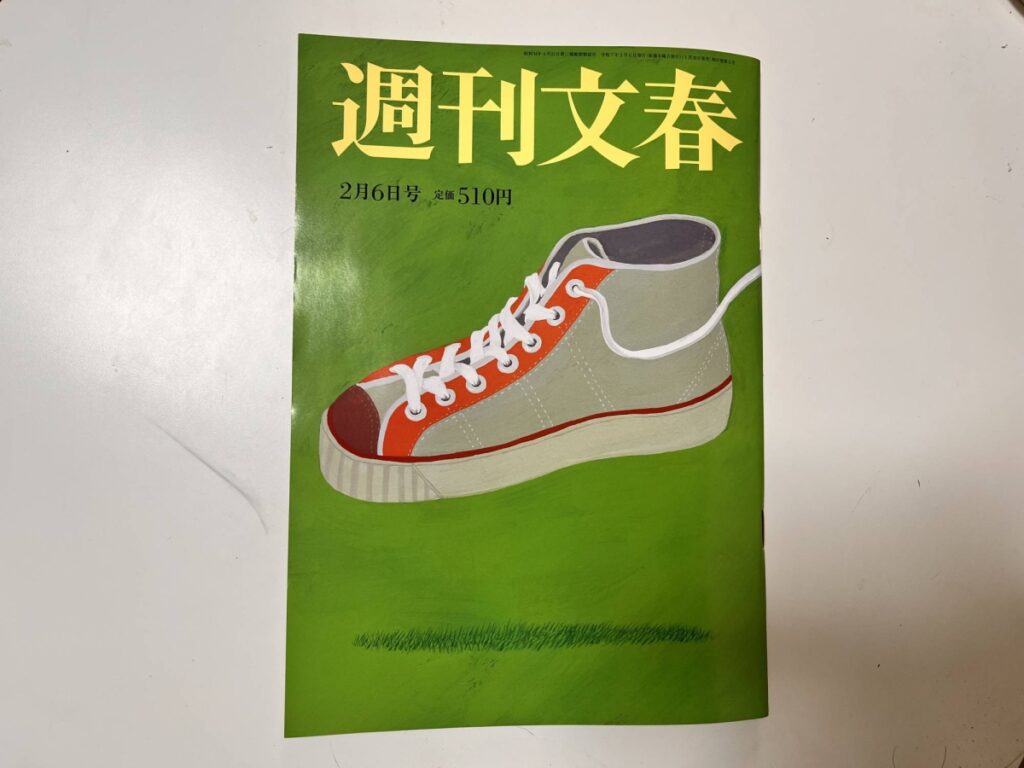
Shukan Bunshun criticized by former Osaka governor for not being upfront about correction

Weekly magazine Shukan Bunshun had known about its partially incorrect reporting over the alleged trouble between TV personality Masahiro Nakai and a woman soon after its Dec. 26 issue was published, but issued a correction only after the publication was criticized by former Osaka Gov. Toru Hashimoto, who is now a well-known TV commentator. On Thursday, Shukan Bunshun published an editorial from the editor-in-chief apologizing for the inaccuracy and that it had reported follow-up stories based on new findings that the woman was invited by Nakai and not the Fuji TV executive. “In response to Mr. Hashimoto’s suggestion that ‘it is dishonest to overwrite an error so casually,’ we have added a correction note to the article in question on the online version of Shukan Bunshun,” the letter stated. Source link

Uncategorized

Takeda picks first female CEO of centuries-old drugmaker

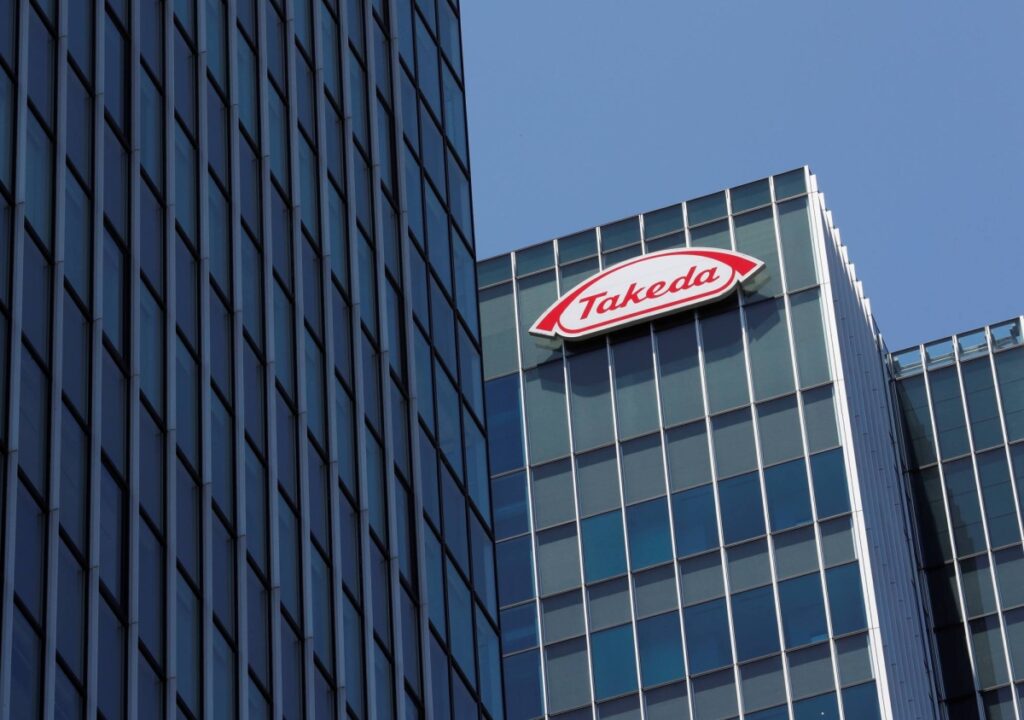
Julie Kim is set to replace Christophe Weber as the new CEO of Takeda Pharmaceutical, becoming the first woman to lead the more than 240-year-old Japanese drugmaker. Kim, 54, has been running Takeda’s U.S. operations since 2022 and will assume the role of CEO in June next year, subject to shareholder approval, the company said in a statement Wednesday. The appointment comes as Takeda sees a competitive growth outlook with new product launches from the second half of 2026, Weber said in a statement. “Now is the right time,” he said, referring to the leadership change. Kim, a U.S. citizen, joined Takeda six years ago. Prior to running the U.S. operations, she was the company’s head of plasma-derived therapies. Weber became the drugmaker’s first non-Japanese CEO when he was promoted to the position in 2015. He expanded Takeda’s global network and transformed the drugmaker into a biotechnology powerhouse specializing in gastroenterlogy, cancer, neurology, vaccines and rare diseases. Under Weber’s leadership, Takeda bought U.K. drugmaker Shire PLC for $62 billion in 2019. Takeda’s operating income jumped 86% to ¥417.5 billion ($2.7 billion) for the nine months ending in December, driven by stronger demand for its products, the sale of a business unit and the weak yen, the company said in a separate statement Wednesday. Revenue rose 9.8% to ¥3.6 trillion. Source link

Scroll to Top